
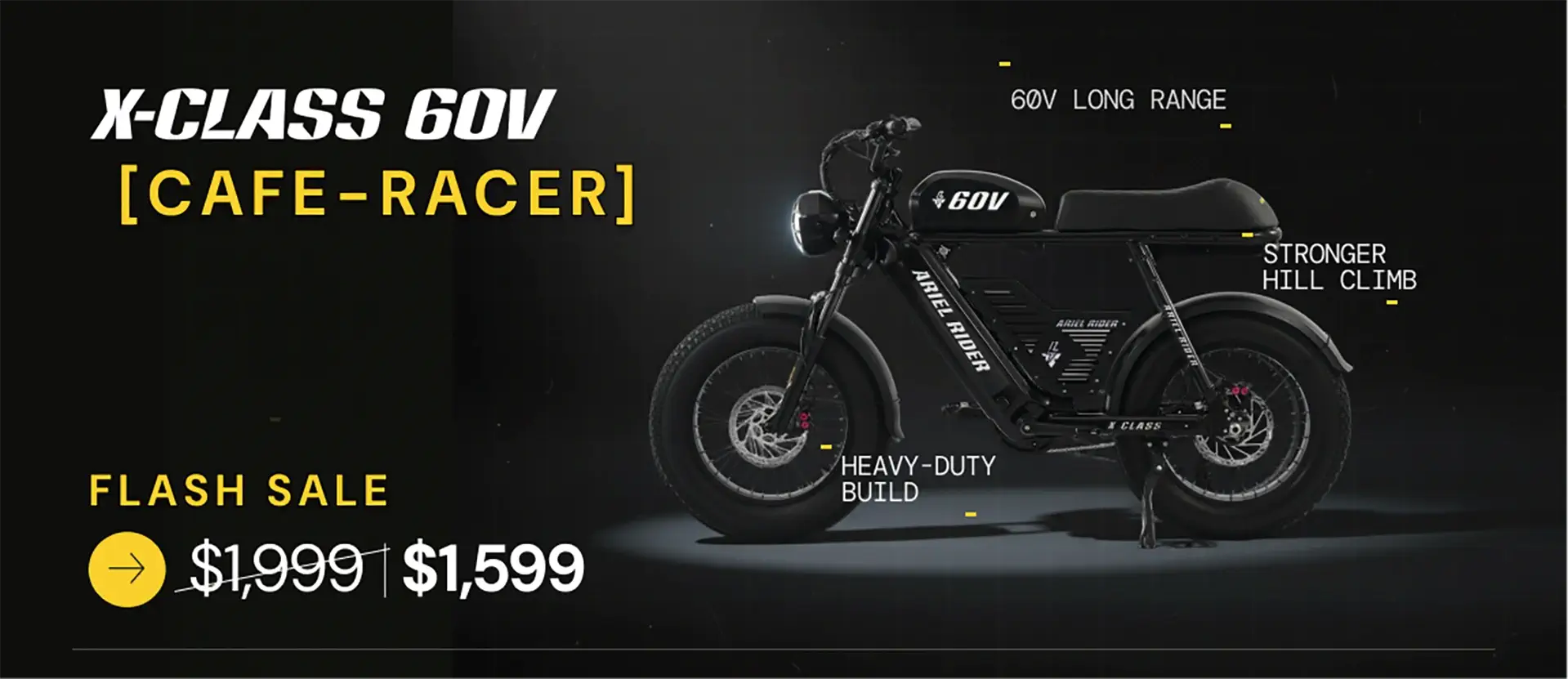


When it comes to fast, powerful electric mopeds on a budget, it’s hard to compete with the Ariel Rider X-Class. This is the e-bike I usually recommend when someone simply wants the most power and speed for the least amount of money.
Ebikes
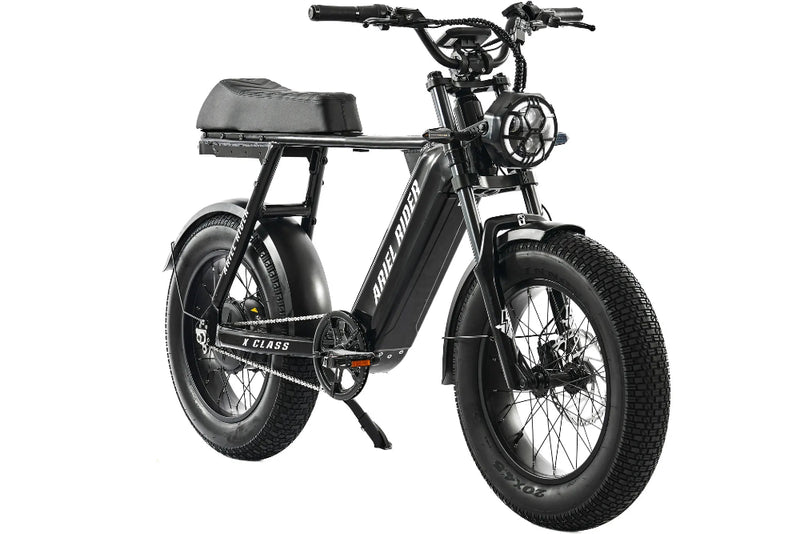
X-Class 60V
Cafe Racer
$1,499.00
$1,999.00
$400 OFF
★★★★★
4.9 out of 5.0 stars(1101)
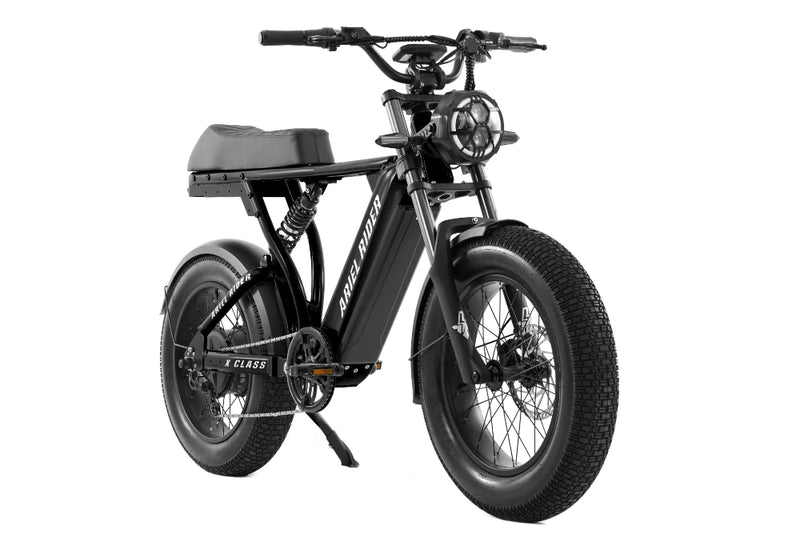
X-Class 60V
Off-Road
$1,799.00
$2,399.00
$600 OFF
★★★★★
4.9 out of 5.0 stars(1101)
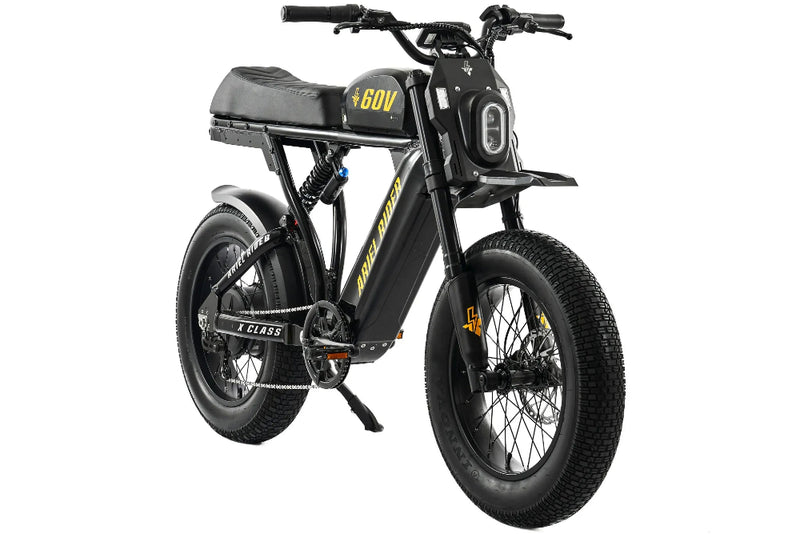
X-Class 60V
Performance
$2,699.00
$3,099.00
$400 OFF
★★★★★
4.9 out of 5.0 stars(1101)
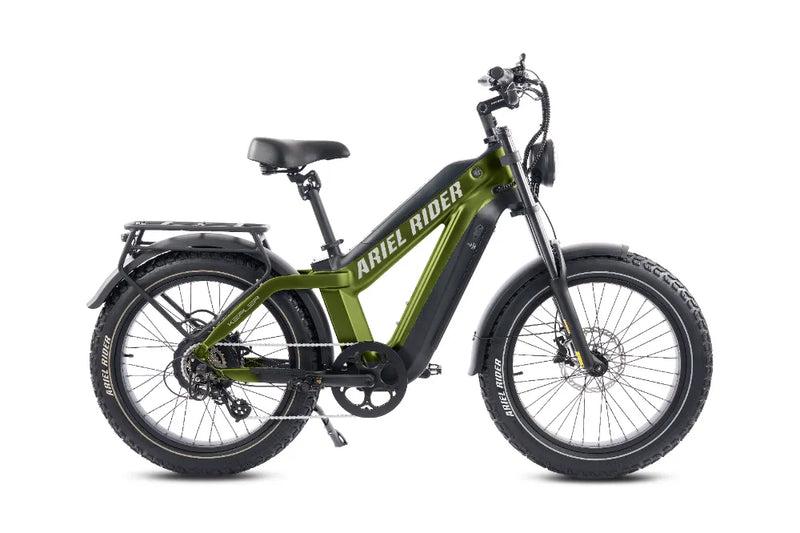
Kepler - Dual Battery
Green
$1,999.00
$2,499.00
SALE Ends on Feb 28th
★★★★★
out of 5 stars(0)
Press & reviews
What independent reviewers say about Ariel Rider
Hands-on reviews focused on performance, practicality, and value.
This e-bike ticks all the boxes to be a great commuter vehicle.
I learned in testing, it can also act like a laid-back Class 2 cruiser, so it’s almost like getting two e-bikes for the price of one.
the machine was designed to withstand the toughest terrains.
The bikes are well spec’d and offer unique features that do help them stand apart. They nailed the styling and ergonomics on these bikes. The fact that they are put together well and handle their top speeds in stride.
ARIEL RIDER Reviews

Before You Buy: 5 Practical Checks
Use this quick checklist before choosing a model:
- Estimate range for your real route, speed, hills, and cargo.
- Confirm class rules where you actually ride.
- Check local service options before purchase.
- Plan battery charging and storage habits for longevity.
- Set up theft protection with layered locks and a tracker.
Review the tools first, then compare models with confidence.
Forum-driven answers
Top Community Questions, Answered
These are the recurring questions riders ask in e-bike communities. We answer them here so you can choose with clearer expectations and use the right planning tools.
What is realistic range if I ride fast, carry cargo, or climb hills?
Expect less than the maximum advertised figure in those conditions. Real range depends on rider weight, speed, terrain, wind, tire pressure, and assist level. Plan trips with conservative assumptions.
Should I choose Class 2 or Class 3?
Choose based on your local rules and route. Class 2 style operation is often preferred for mixed-use paths, while Class 3 style operation is typically focused on roadway commuting where allowed.
How should I charge and store the battery for longevity?
Avoid extreme temperatures, avoid leaving the battery at full charge for long periods, and use the charger supplied for your model. For longer storage, keep the battery partially charged and check it periodically.
Prioritize certified battery/charger systems and follow the safety guidance in your manual.
How much range should I expect to lose in cold weather?
Cold temperatures typically reduce usable range, especially on short trips with repeated starts. Plan extra margin and use conservative assist settings in winter.
Model your route with our range calculator before long cold-weather rides.
What battery safety certifications should I check before buying?
Riders often look for complete systems that follow recognized e-bike and battery safety standards, then verify clear charging, storage, and inspection guidance from the brand. Also confirm you can buy the correct replacement battery later and avoid unknown aftermarket packs that are not approved for your model.
What anti-theft setup do riders recommend most?
Use two different locks, secure the frame to a fixed anchor, park in visible areas, and add a tracker. If using insurance, read lock and storage requirements carefully before you rely on coverage.
Can local shops service direct-to-consumer e-bikes?
Often yes for mechanical work, but electronics support varies by shop and brand. Confirm nearby service options before purchase so parts and diagnostics are available when needed.
Are these bikes too heavy for apartment stairs or daily lifting?
This is one of the most repeated forum concerns. Check bike weight with and without battery, your storage route, and whether you can avoid daily lifting with secure ground-level parking.
Plan real handling, not just spec-sheet range and speed.
Cadence-sensing vs torque-feel riding: which is better in city traffic?
Riders usually choose based on throttle behavior, launch feel, and low-speed control in traffic. If you ride dense city routes, prioritize predictable starts and smooth modulation over top-speed claims alone.
Mon–Fri, 9am–5:00pm PTAverage answer time: 2h
New articles that answer high-intent pre-purchase questions.
Latest Guides: Range, Laws, and Safe Riding
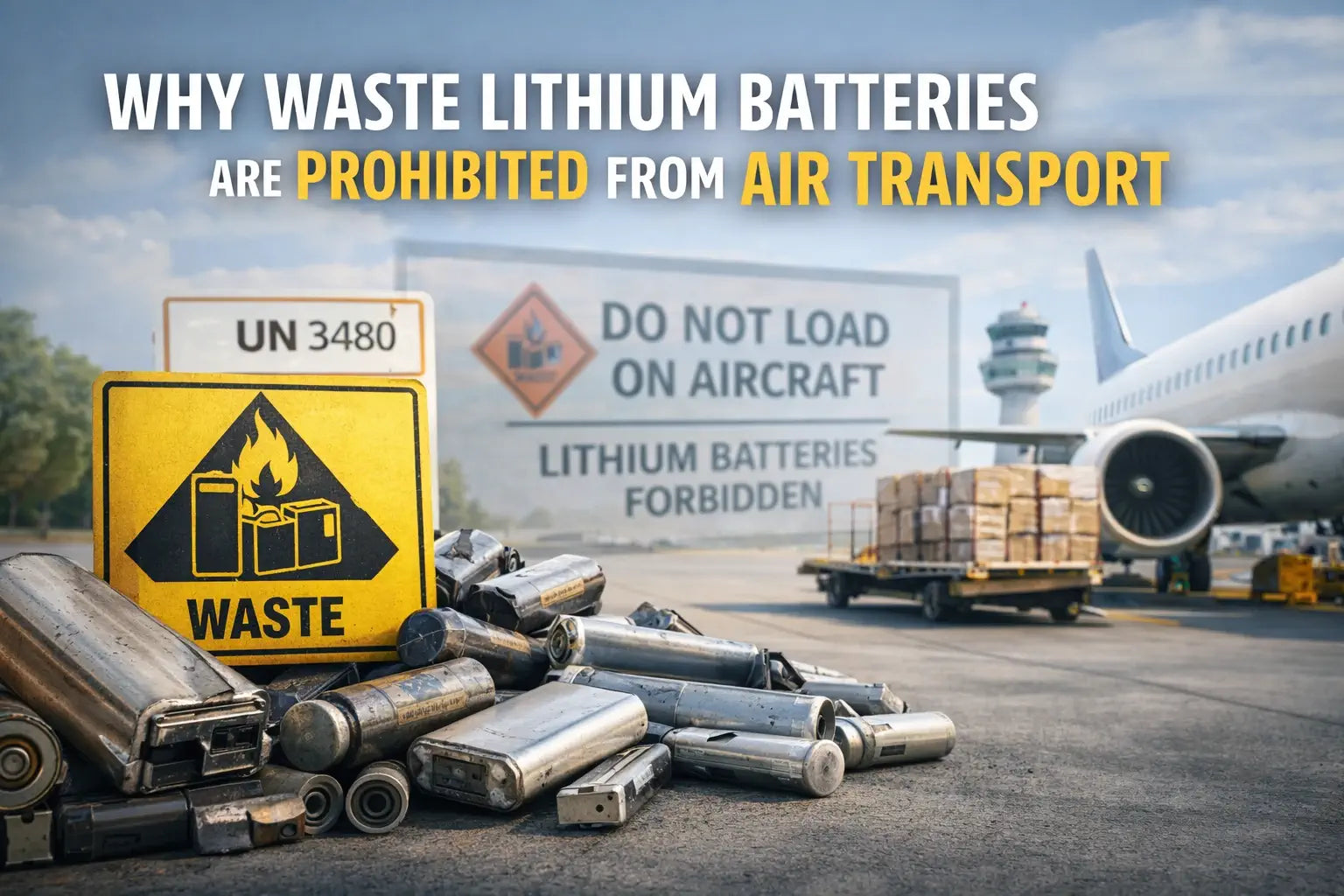
Why Waste Lithium Batteries Are Prohibited From Air Transport
Waste lithium batteries pose elevated fire risks that make air transport unsafe. Learn why U.S. regulations prohibit shipping end-of-life lithium batteries by air and what this means for consumers ...
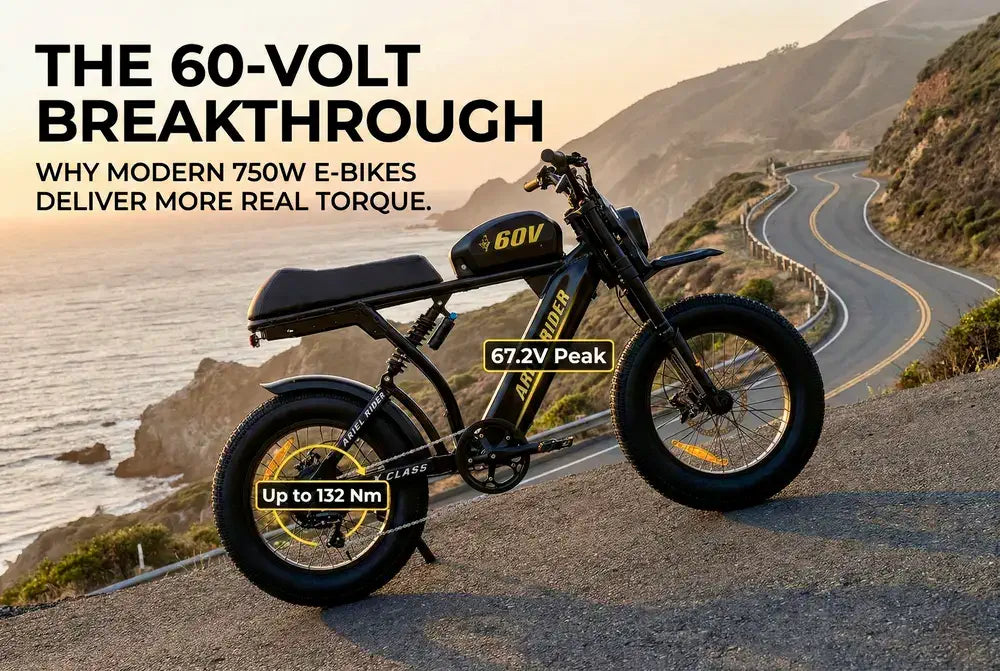
The 60-Volt Breakthrough: Why Modern 750W E-Bikes Deliver More Real Torque
A deep dive into why voltage -not wattage- defines real ebike torque. Learn how 60-volt systems transform 750W motors into confident hill-climbers and stronger daily commuters, all within U.S. e-bi...
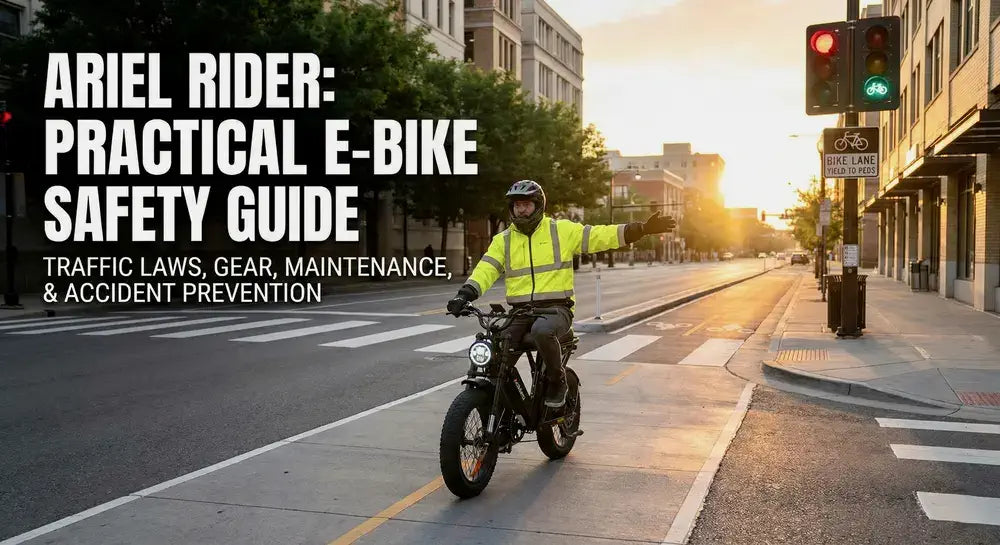
E‑Bike Safety Guide: Rules, Gear & Quick Wins | Ariel Rider
Ride smarter with Ariel Rider. This practical e‑bike safety guide covers traffic laws, must‑have gear, maintenance checklists, accident prevention, emergency prep, and why stunts aren’t worth the ...